Get Geothermal Hvac Installation
Geothermal HVAC installation services help property owners replace or upgrade heating and cooling systems using underground heat exchange technology, handled by experienced local contractors.
Geothermal HVAC installation is an innovative heating and cooling solution that many property owners in the area are exploring for its potential efficiency and long-term benefits. Whether planning a new construction project or upgrading an existing system, understanding the options available can help make informed decisions. Local contractors specializing in geothermal systems are equipped to provide guidance tailored to the specific needs of your property, ensuring the installation process aligns with your goals.
Comparing different service providers in the area can help identify experienced professionals capable of handling geothermal HVAC projects effectively. Property owners often consider this work for its potential to deliver reliable climate control while reducing ongoing energy costs. Continuing to explore local options and gathering information can support a well-planned approach to incorporating geothermal technology into your property’s heating and cooling system.
- Residential geothermal HVAC installation - needed when homeowners want an energy-efficient heating and cooling system for their house.
- Commercial geothermal HVAC setup - suitable for businesses seeking sustainable climate control solutions.
- Geothermal system upgrades - required when existing HVAC systems need modernization for improved performance.
- New construction geothermal HVAC installation - essential during the building phase of new properties requiring integrated climate systems.
- Geothermal loop field installation - necessary when establishing the underground component of a geothermal heating and cooling system.
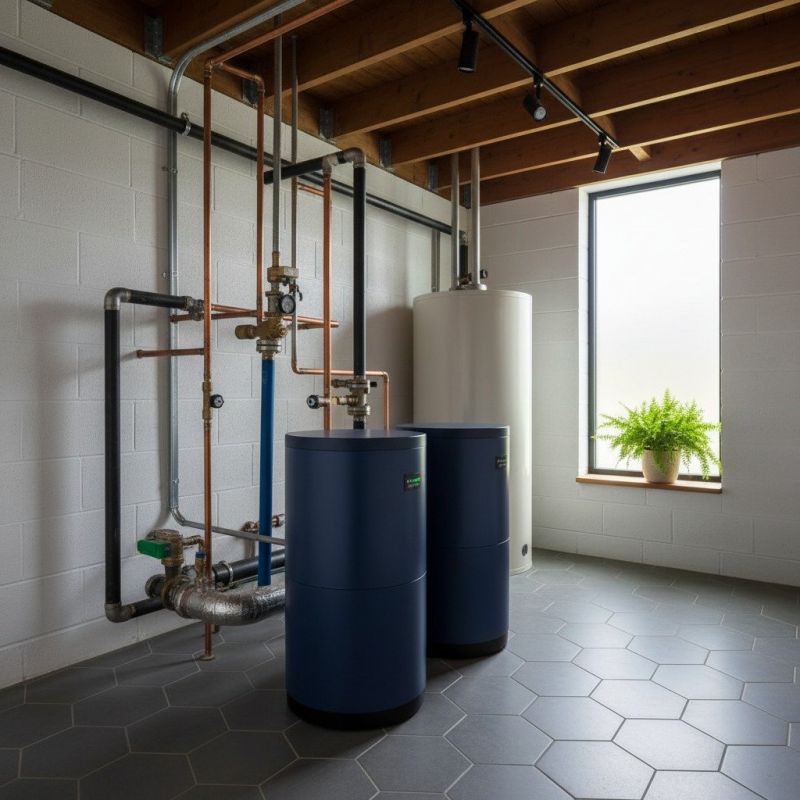
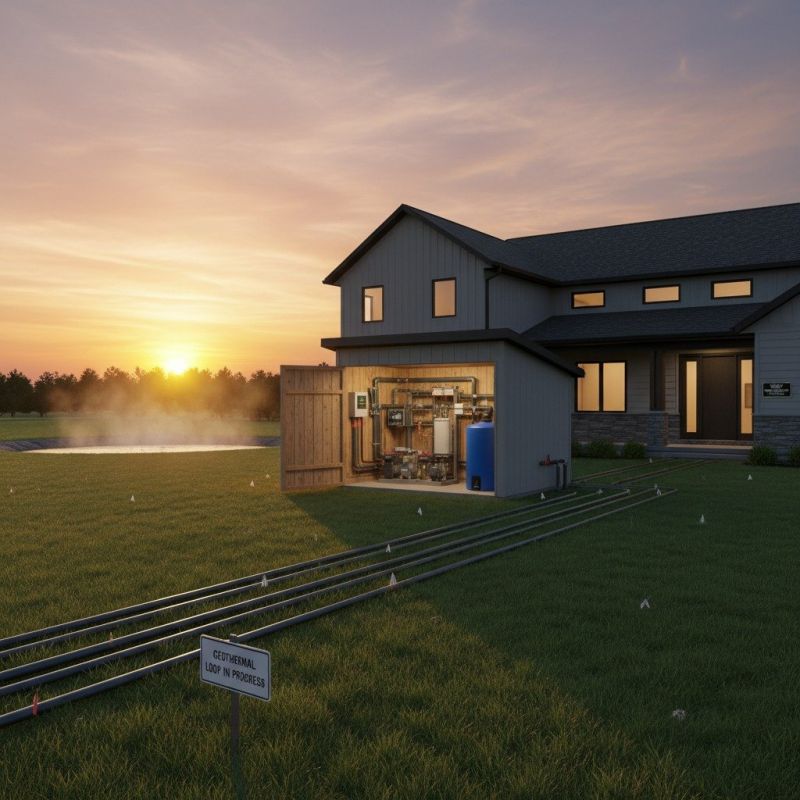
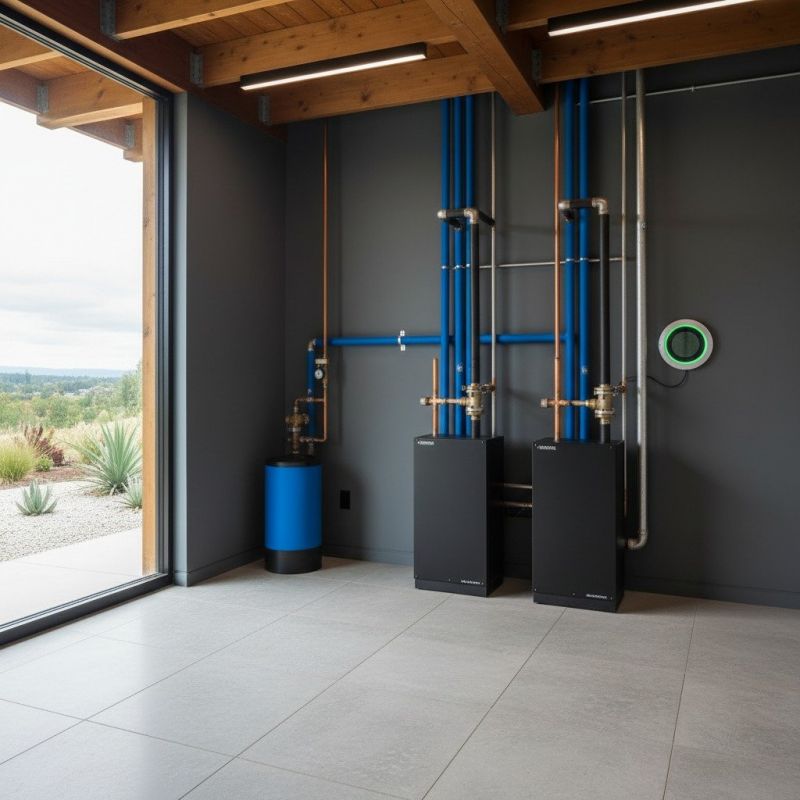
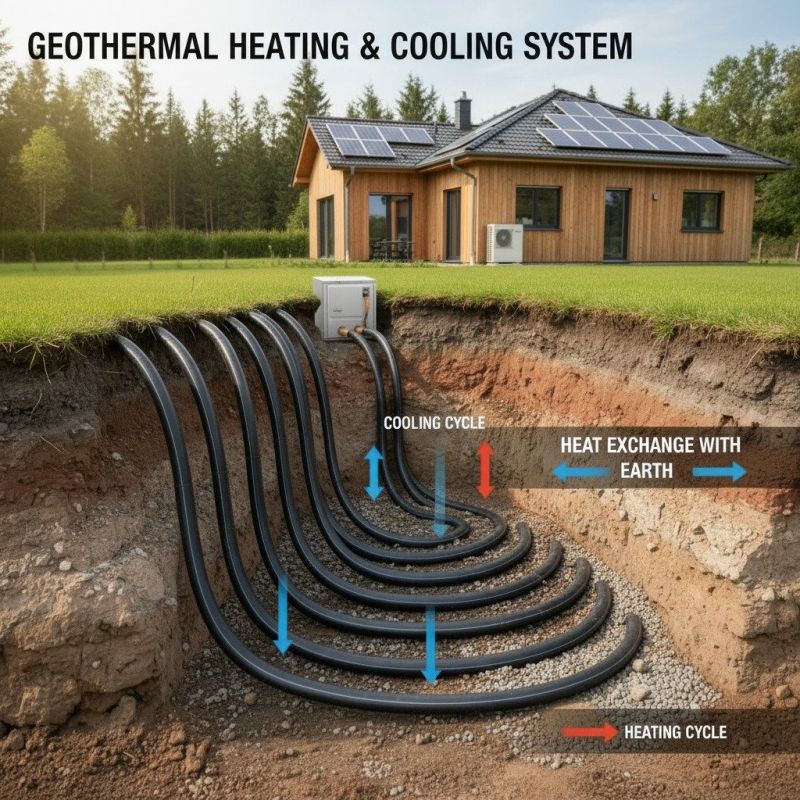
Geothermal HVAC installation involves setting up a heating and cooling system that leverages the stable temperatures beneath the earth’s surface. This process typically includes installing underground loops or pipes that circulate a heat transfer fluid, connecting to a heat pump inside the property. The system then uses this loop to efficiently regulate indoor temperatures, providing both heating during colder months and cooling in warmer seasons. Proper installation ensures the system operates smoothly and efficiently, offering a long-lasting solution for maintaining a comfortable indoor environment.
This type of HVAC system helps address common problems associated with traditional heating and cooling methods, such as high energy bills, uneven indoor temperatures, and frequent equipment breakdowns. Because geothermal systems rely on the earth’s natural thermal properties, they tend to be more energy-efficient and require less maintenance over time. They are especially effective in reducing energy consumption and lowering utility costs, making them an attractive option for homeowners seeking reliable climate control with fewer ongoing expenses.
Geothermal HVAC installation is suitable for a variety of property types, including single-family homes, multi-family residences, and certain commercial buildings. Homes with ample yard space and stable soil conditions are ideal candidates, as these factors facilitate the installation of underground loops. Properties in regions with extreme temperatures may also benefit from geothermal systems, as they provide consistent indoor comfort regardless of outdoor weather fluctuations. Local contractors can assess specific property needs to determine if a geothermal system is a practical and efficient choice.
Homeowners considering a geothermal HVAC system should look for local service providers experienced in this specialized installation process. These professionals can evaluate the property’s site conditions, recommend appropriate system sizes, and ensure proper setup for optimal performance. By connecting with qualified local contractors, homeowners can explore whether geothermal technology aligns with their comfort goals and property characteristics, gaining a dependable and energy-efficient climate control solution.
The overview below groups typical Geothermal Hvac Installation projects into broad ranges so you can see how smaller, mid-sized, and larger jobs often compare in your area.
In many markets, a large share of routine jobs stays in the lower and middle ranges, while only a smaller percentage of projects moves into the highest bands when the work is more complex or site conditions are harder than average.
Smaller Repairs - minor geothermal HVAC repairs, such as fixing leaks or replacing small components, typically cost between $250 and $600. Many routine repairs fall within this range, with fewer projects reaching higher costs.
System Tune-Ups - routine maintenance and system inspections generally range from $150 to $400. Most service providers perform these services at the lower to mid-range, while more extensive tune-ups can approach $600+
Full System Replacement - replacing an existing geothermal HVAC system usually costs between $10,000 and $30,000. Larger or more complex installations can exceed $40,000, but many projects fall within the middle of this range.
New Installations - installing a new geothermal HVAC system in a residential property typically costs $20,000 to $50,000. Larger or custom projects can go higher, while standard installations often land in the lower to mid-range of this spectrum.
Actual totals will depend on details like access to the work area, the scope of the project, and the materials selected, so use these as general starting points rather than exact figures.
Ground Source Heat Pump Installations - these projects involve installing systems that utilize underground loops to provide heating and cooling, requiring expertise in drilling, piping, and system integration similar to geothermal HVAC work.
Hydronic Heating System Installations - installing radiant floor or baseboard heating systems involves planning, piping, and equipment setup comparable to geothermal heat pump installations.
Geothermal System Maintenance and Repairs - service providers working on existing geothermal systems need skills in diagnosing, repairing, and maintaining underground loops and heat pumps.
Vertical and Horizontal Loop Drilling - drilling for geothermal systems shares techniques with other subsurface drilling projects, requiring specialized tools and planning.
Renewable Energy System Integration - integrating geothermal heat pumps with solar or other renewable systems involves similar planning, electrical work, and system configuration.
Commercial HVAC System Installations - large-scale heating and cooling projects for commercial buildings often involve complex piping, equipment setup, and system design akin to geothermal HVAC installations.
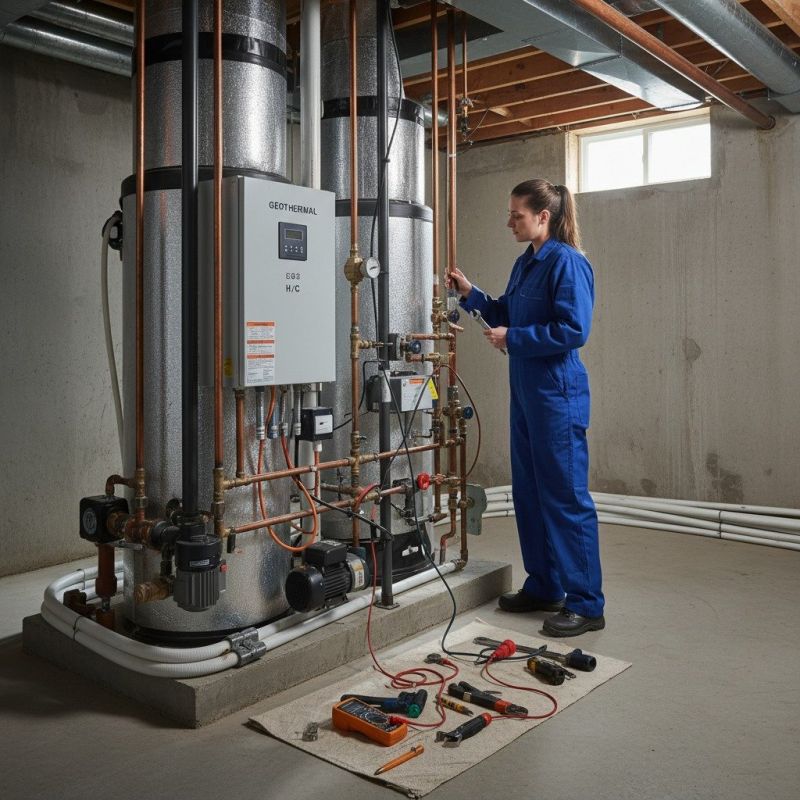
When comparing local contractors for geothermal HVAC installation, it’s important to consider their experience with similar projects. Homeowners should look for service providers who have a proven track record of handling geothermal systems comparable to the scope and complexity of the job at hand. A contractor’s familiarity with local conditions and specific system types can influence the quality and efficiency of the installation. Asking about past projects or requesting examples of completed work can help gauge their expertise and confidence in managing geothermal HVAC systems effectively.
Clear, written expectations are essential when evaluating potential service providers. Homeowners should seek detailed proposals that outline the scope of work, materials to be used, and the steps involved in the installation process. Having a well-defined plan helps prevent misunderstandings and ensures that both parties are aligned on the project’s goals. Reputable contractors are usually willing to provide transparent documentation that clarifies what will be delivered, making it easier to compare options and make informed decisions.
Effective communication and reputable references are key indicators of a reliable geothermal HVAC installer. Homeowners should prioritize contractors who are responsive and willing to answer questions thoroughly, demonstrating professionalism and a commitment to customer service. Additionally, requesting references from previous clients can provide insights into the contractor’s reliability, quality of work, and how well they manage projects. Connecting with past customers can help assess whether a service provider’s approach aligns with expectations, ensuring a smoother experience from initial contact to project completion.
Property owners use Geothermal Hvac Installation services for practical projects around their homes and businesses. This guide focuses on everyday jobs and straightforward project options.
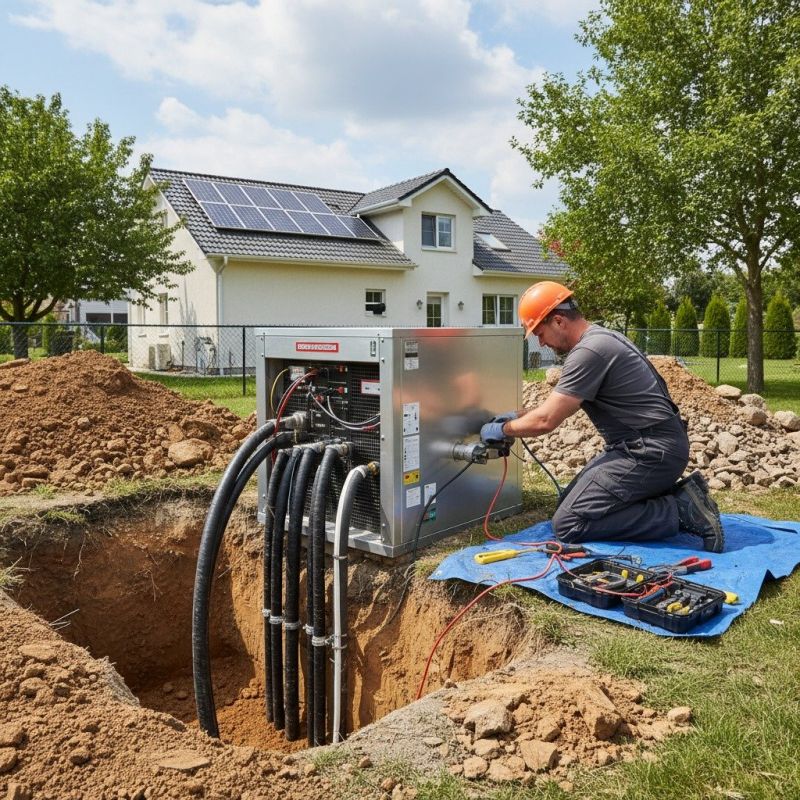
Geothermal HVAC installation is a common project for property owners seeking a reliable and efficient way to heat and cool their homes or businesses. Local contractors are often called upon when replacing outdated systems or upgrading to more energy-efficient solutions. Property owners might also look for geothermal services when constructing new buildings or expanding existing spaces, aiming to incorporate long-lasting heating and cooling options that can reduce ongoing energy costs.
Many local property owners turn to geothermal HVAC services to improve comfort and reduce utility bills. These projects are typically prompted by the desire for a quieter, more consistent climate control system or to take advantage of advanced technology that offers better performance over traditional systems. Local service providers are experienced in handling a variety of installation needs, ensuring that each project aligns with the specific requirements of the property.
What is geothermal HVAC installation? Geothermal HVAC installation involves setting up a heating and cooling system that uses the stable temperature of the ground to regulate indoor environments efficiently.
How do geothermal systems work? These systems transfer heat between the ground and a building through a series of underground pipes, providing heating in winter and cooling in summer.
Are geothermal HVAC systems suitable for my property? Many properties can benefit from geothermal systems, especially those with adequate land space and specific heating and cooling needs.
What components are involved in geothermal HVAC installation? Key components include a ground heat exchanger, a heat pump, and ductwork or radiant heating systems to distribute conditioned air or water.
How can I find local contractors for geothermal HVAC installation? Contacting service providers in the area can help connect with experienced local contractors who specialize in geothermal system installation.
Energy-efficient Heating and Cooling - Property owners can explore geothermal HVAC installation to reduce energy consumption and lower utility bills throughout the year.
Upgrade to Sustainable Systems - Homeowners interested in modernizing their heating and cooling systems can find local contractors who specialize in geothermal solutions.
Retrofitting Existing HVAC Systems - Those with outdated or inefficient systems can consider geothermal installation as a practical upgrade for improved performance.
New Construction Climate Control - Builders and developers can incorporate geothermal HVAC systems into new properties to ensure long-term comfort and efficiency.
If you are thinking about Geothermal Hvac Installation for a property, this guide is meant to help you understand the work, the typical project types, and how different options might fit your plans.
When you are ready, you can use the quote form on this page to share a few details about your project. From there, local pros can review the basics and respond with options that match what you have in mind.